This was definitely an interesting and enlightening article regarding tempe and the role of this food in the development of sustainability in the future. Online discussions on a wide range of issues, including Content Writing Service in Karachi, as well as food innovations, usually take place. It is worth noting that this article provided a great deal of insight into the contribution of Indonesia to global food solutions.
This topic offers a meaningful perspective on how traditional foods like tempe can represent sustainability, nutrition, culture, and hope on a global scale. Tempe is not only a healthy plant-based protein but also a symbol of how local traditions can contribute to worldwide conversations about wellness and environmental responsibility. The emotional connection people build with food and cultural identity is also fascinating from a human behavior perspective. For students exploring motivation, culture, and human decision-making, a psychology course helper can provide useful support in understanding how food, identity, and social values influence behavior and society.
Reading Why Tempe Is The Food of Hope from Indonesia, for The World was fascinating because it shows how a simple traditional food can carry such powerful meaning. Tempe, made from fermented soybeans, represents sustainability, nutrition, and the idea that local food traditions can contribute to global solutions for healthier diets. It reminds us that sometimes the most impactful ideas come from simple cultural practices. As a PhD student, reflections like this inspire me because growth often begins with small but meaningful steps. During my college days I struggled a lot with deadlines and academic pressure, which is why I now spend some time helping students with their studies. Many students ask me to Edit My Assignment Online, but I try…
Fueling the Future: The Methanol-to-Gasoline (MTG) Process
The Methanol-to-Gasoline (MTG) process represents a fascinating and strategically important technological pathway that converts methanol, a versatile chemical intermediate, directly into high-octane gasoline. Developed primarily by Mobil (now ExxonMobil) in the 1970s, this catalytic process offers a viable route to produce liquid transportation fuels from non-petroleum feedstocks, particularly natural gas, coal, or even biomass, all of which can be converted into synthesis gas and then methanol.
The core of the MTG process lies in the use of specific zeolitic catalysts, most famously ZSM-5. The overall reaction proceeds in several steps within a fixed-bed or fluidized-bed reactor. Initially, methanol is dehydrated to dimethylether (DME) and water. Subsequently, both methanol…

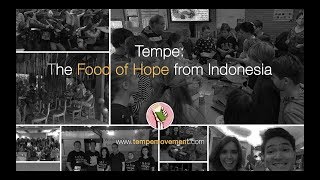


This was definitely an interesting and enlightening article regarding tempe and the role of this food in the development of sustainability in the future. Online discussions on a wide range of issues, including Content Writing Service in Karachi, as well as food innovations, usually take place. It is worth noting that this article provided a great deal of insight into the contribution of Indonesia to global food solutions.
This topic offers a meaningful perspective on how traditional foods like tempe can represent sustainability, nutrition, culture, and hope on a global scale. Tempe is not only a healthy plant-based protein but also a symbol of how local traditions can contribute to worldwide conversations about wellness and environmental responsibility. The emotional connection people build with food and cultural identity is also fascinating from a human behavior perspective. For students exploring motivation, culture, and human decision-making, a psychology course helper can provide useful support in understanding how food, identity, and social values influence behavior and society.
Reading Why Tempe Is The Food of Hope from Indonesia, for The World was fascinating because it shows how a simple traditional food can carry such powerful meaning. Tempe, made from fermented soybeans, represents sustainability, nutrition, and the idea that local food traditions can contribute to global solutions for healthier diets. It reminds us that sometimes the most impactful ideas come from simple cultural practices. As a PhD student, reflections like this inspire me because growth often begins with small but meaningful steps. During my college days I struggled a lot with deadlines and academic pressure, which is why I now spend some time helping students with their studies. Many students ask me to Edit My Assignment Online, but I try…
Fueling the Future: The Methanol-to-Gasoline (MTG) Process
The Methanol-to-Gasoline (MTG) process represents a fascinating and strategically important technological pathway that converts methanol, a versatile chemical intermediate, directly into high-octane gasoline. Developed primarily by Mobil (now ExxonMobil) in the 1970s, this catalytic process offers a viable route to produce liquid transportation fuels from non-petroleum feedstocks, particularly natural gas, coal, or even biomass, all of which can be converted into synthesis gas and then methanol.
FULL REPORT ACCESS AT: https://www.marketresearchfuture.com/reports/methanol-to-gasoline-market-33400
The core of the MTG process lies in the use of specific zeolitic catalysts, most famously ZSM-5. The overall reaction proceeds in several steps within a fixed-bed or fluidized-bed reactor. Initially, methanol is dehydrated to dimethylether (DME) and water. Subsequently, both methanol…